
5 New Year’s Resolutions to Make Home Organization Easier in 2026
Steve Reed
December 16th, 2025
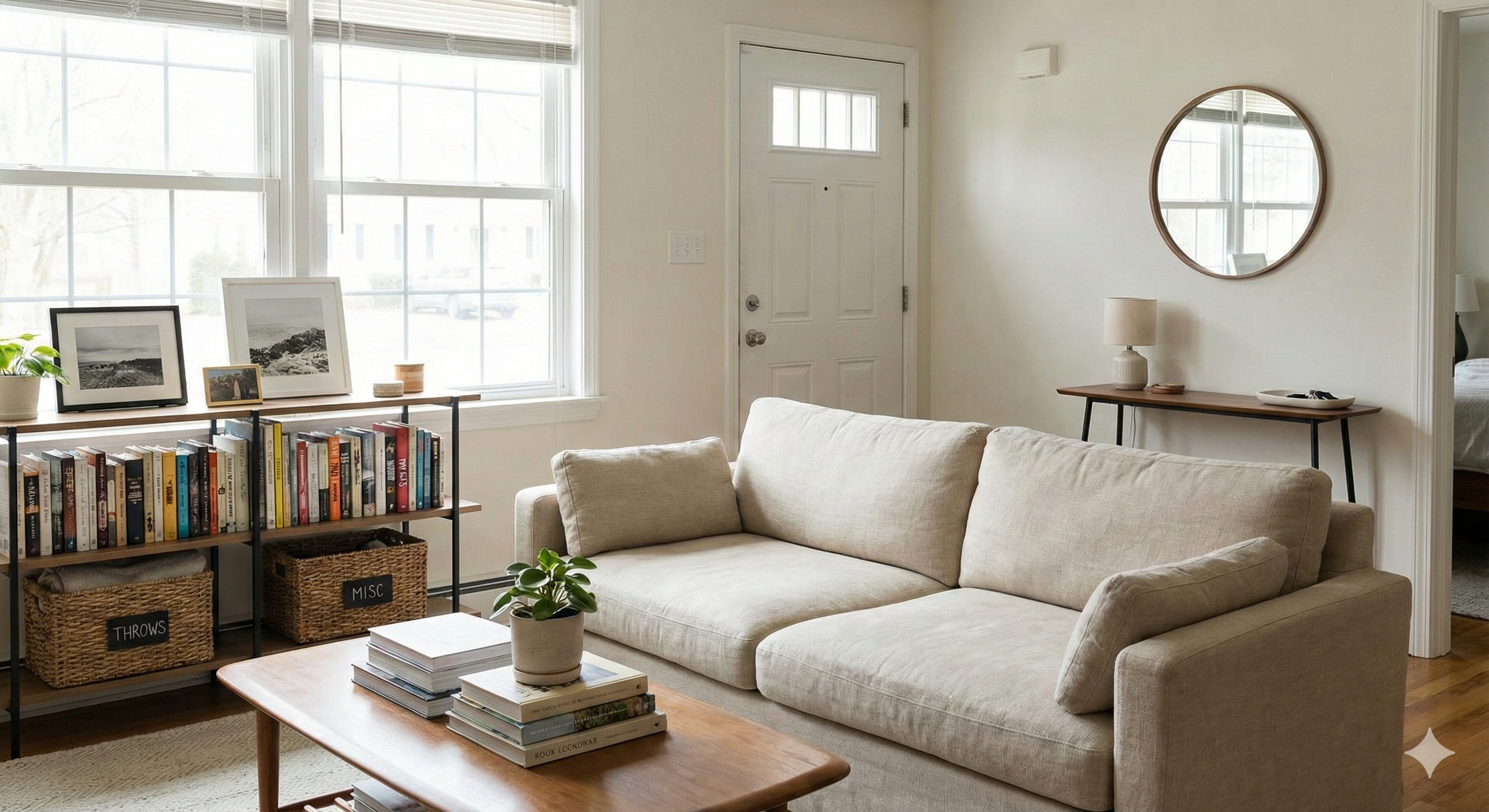
Right behind fitness goals, home organization continues to dominate the list of top New Year’s resolutions—and research shows why. Studies link clutter to higher cortisol levels, increased stress, and reduced productivity, while organized spaces support healthier habits, improved focus, and more efficient daily routines. In a world where many of us are juggling hybrid work, busy families, and fast-paced schedules, a well-organized home isn’t just “nice to have”—it’s one of the most impactful quality-of-life upgrades you can make.
But even with the best intentions, most people struggle to keep their resolution because they lack systems that are simple, sustainable, and realistic. Organization isn’t about creating a picture-perfect home—it’s about building routines that make your life easier month after month.
If 2026 is the year you want your home to feel calmer, cleaner, and more functional, these five resolutions will give you a strong foundation for long-term success.
1. Conquer Paper Pile-Ups with a Digital-First Mindset
Paper clutter is one of the fastest ways for a tidy home to feel chaotic. This year, shift toward digital tools that keep documents searchable, accessible, and off your countertops. Try this:
- Scan documents instantly using Adobe Scan https://www.adobe.com/acrobat/mobile/scanner-app.html
- Store digital files in the cloud via Google Drive https://www.google.com/drive/
- Turn on paperless billing through your bank, utilities, or insurance providers
- Use one physical inbox tray for papers that must remain on hand
Digitizing documents prevents piles before they start—and makes everything easier to find.
2. Use Smart Home Tools to Stay Organized in 2026
Technology has become one of the easiest ways to stay organized without adding extra work to your day. In 2026, smart home tools can automate routines, remind you of tasks before you forget them, and keep your household running smoothly—even when life gets busy. The best part? Many of these systems are incredibly simple to set up and can make a noticeable difference in how your home looks and functions.
Smart devices and apps can help you track what needs to be done, manage household items, and reduce clutter by giving everything a digital home. Whether you’re juggling a busy family schedule, working from home, or just want to streamline your daily routines, the right tools can transform organization from a constant chore into something that happens almost automatically. Helpful tools to try:
- Todoist or Notion for creating shared family task lists, shopping lists, home maintenance reminders, and project boards https://todoist.com/ https://www.notion.so/
- QR-code labeling systems for storage bins so you can scan a code and instantly see what’s inside without opening containers or digging through closets https://www.qr-code-generator.com/
- Smart-home hubs like Google Nest or Amazon Alexa that let you set voice-activated reminders (“Alexa, remind me to rotate the seasonal clothes this weekend”), track chores, or automate routines such as turning lights on, locking doors, or resetting the thermostat Google Nest → https://store.google.com/category/google_nest Amazon Alexa → https://www.amazon.com/alexa-smart-home/
- Shared digital calendars such as Google Calendar to coordinate family schedules, cleaning rotations, and decluttering sessions https://calendar.google.com/
- Inventory apps that keep track of pantry items, freezer contents, or household supplies so you don’t overbuy—and so things don’t get lost in the back of cabinets
By integrating even a few smart tools into your routine, you can reduce the mental load of remembering everything, keep clutter from sneaking up on you, and create a more efficient, sustainable organizational system for the year ahead.
3. Embrace Micro-Decluttering Instead of Big Cleanouts
The days of once-a-year, all-day decluttering marathons are over. In 2026, the most effective approach to staying organized is micro-decluttering—small, manageable habits that prevent clutter from ever building up in the first place. Instead of tearing apart your entire house on a Saturday, micro-decluttering focuses on meaningful 5–15 minute wins that fit naturally into daily life.
This approach works because it reduces overwhelm, builds momentum, and turns organization into a regular routine instead of a huge project you dread. Even better, the results add up quickly: a drawer here, a cabinet there, and suddenly your home feels lighter, tidier, and easier to maintain.
Micro-decluttering is especially helpful for families, busy professionals, and anyone who feels stressed just thinking about a massive cleaning overhaul. Small steps don’t just feel easier—they are easier, and they lead to long-lasting organizational habits. Here are simple micro-decluttering ideas to try:
- Declutter one drawer, shelf, or cabinet a day. This could be as small as a junk drawer, a makeup bag, or a single kitchen shelf.
- Set a 10-minute nightly reset timer. Clean surfaces, toss trash, return items to their homes, and tidy one section of your living area. This habit becomes incredibly powerful when done consistently. Habit-building guide → https://jamesclear.com/habit-stacking
- Follow a weekly category cleanout. For example:
- Monday: water bottles
- Tuesday: pantry snacks
- Wednesday: bathroom items
- Thursday: toys
- Friday: receipts and mail
- Use the “one-in, one-out” rule. Anytime something new enters your home—clothing, toys, kitchen tools—remove one similar item.
- Create a “donation bag” that lives in a closet. As soon as you find something you no longer need, drop it in the bag. When it’s full, donate.
- Declutter emotionally low-stakes areas first. Start with items that are easiest to part with so momentum carries you to bigger wins later.
- Do a monthly home reset. This includes clearing expired items, reorganizing high-traffic spaces, and refreshing a few problem areas.
Micro-decluttering removes the pressure to “get everything done at once” while helping you maintain an orderly home throughout the year. By focusing on small, consistent actions, you’ll experience more success, less stress, and a home that stays organized long after your New Year motivation fades.
4. Refresh High-Traffic Living Spaces First
One of the biggest mistakes people make when trying to get organized is attempting to tackle the entire house at once. It’s overwhelming, time-consuming, and almost guaranteed to create burnout. Instead, focus on the areas you and your family use the most—your living room, kitchen, entryway, or family room. These high-traffic zones set the tone for the rest of your home, and when they feel calm and pulled together, everything else becomes easier to manage.
Starting with your main living spaces delivers quick, visible wins that motivate you to keep going. It also ensures that the areas you interact with every day are functional, welcoming, and easy to maintain. Once these spots are organized, you build confidence and momentum before moving on to bedrooms, closets, or storage-heavy spaces like garages.
Here’s how to refresh your high-traffic zones—without the overwhelm:
- Start with surface-level decluttering. Clear off countertops, coffee tables, entry tables, and other flat surfaces where clutter loves to accumulate. Remove anything that doesn’t belong, toss trash, and put frequently used items within easy reach.
- Create “homes” for everyday items. Use decorative baskets, trays, or bins to store remotes, blankets, chargers, pet items, or toys. When items have a designated place, it’s easier for everyone in the household to keep the space tidy.
- Use a catch-all basket or bin. Place a basket in your living room or entryway to collect anything that ends up out of place throughout the day. This prevents clutter from scattering everywhere and makes cleanup faster—simply empty the basket once a day or once a week.
- Establish a weekly “living room reset.” Spend 10 minutes straightening pillows, folding blankets, returning items to their proper spots, and wiping down surfaces. Simple weekly resets maintain order without requiring a major cleaning session.
- Optimize your entryway. Hooks for bags, a shoe rack, and a small tray for keys and mail can transform your home’s most chaotic drop zone. When your entryway works, it prevents clutter from spreading to the rest of the house.
- Rotate décor seasonally—but keep it minimal. Swap out greenery, pillows, or small accents throughout the year for a refreshed look without adding clutter.
- Use vertical storage to your advantage. Floating shelves, tension rods, over-the-door hooks, and wall-mounted organizers create space without crowding your floors.
Refreshing a single high-traffic area can make your whole home feel lighter and more organized. These spaces act as visual anchors—when they’re neat and functional, it naturally encourages your family to maintain the rest of the house the same way. Small improvements here lead to big wins throughout your home.
5. Treat Offsite Storage as an Extension of Your Home
Not all clutter is real clutter—some items matter deeply but don’t need to live in your home every day. Offsite storage creates breathing room without forcing you to let go of things you truly value.
Great candidates for offsite storage include:
- Holiday and seasonal décor
- Outdoor or camping gear
- Family heirlooms and keepsakes
- Baby gear between children
- Hobby equipment like kayaks, tools, and sports items
- RVs, boats, and extra vehicles
Using offsite storage as part of your home organization strategy is one of the easiest ways to maintain a clutter-free lifestyle year-round.
Start 2026 With Systems That Actually Stick
Staying organized in the new year doesn’t require a perfect home or hours of daily cleaning—it simply takes realistic habits, simple tools, and supportive systems you can rely on. By focusing on small, consistent improvements rather than overwhelming overhauls, you’ll create a home that feels lighter, more functional, and easier to enjoy every day.
Whether your goal is to declutter forgotten corners, carve out space for new hobbies, or create a calmer environment for yourself and your family, the right strategies can transform how your home works for you. And when you need a little extra breathing room, a secure and well-maintained storage solution can make all the difference—allowing you to protect what matters most while keeping your living spaces clear and intentional.
If you’re ready to make 2026 the year your home finally feels organized, peaceful, and manageable, we’re here to help every step of the way.
Storage Tips & Local News | Bargain Storage Blog