
How to Decide Between a Starter Home and Your Forever Home
How to Decide Between a Starter Home and Your Forever Home
Michael Longsdon
May 22nd, 2026
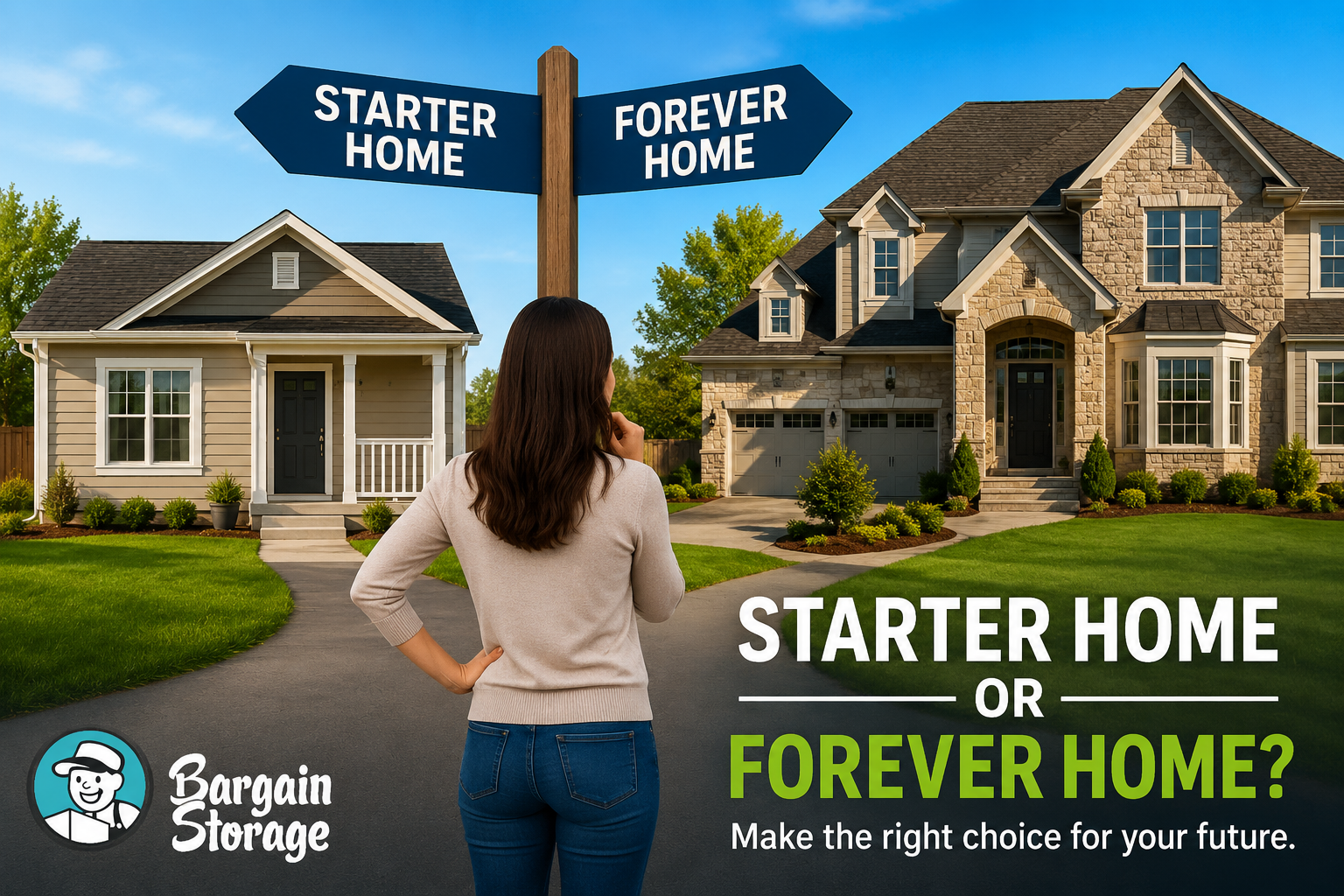
For first-time homebuyers, the hardest part often isn’t finding a house, it’s deciding what the purchase is meant to do. The starter home vs forever home question forces a real trade-off between getting in sooner with more affordable housing options and holding out for a place that can support changing needs for years. Today’s housing market considerations can make the home buying decision feel high-stakes, with choices that affect cash flow, flexibility, and peace of mind. A clear decision starts by defining what “comfortable” looks like month to month.
Set a Monthly Payment Target to Define Your True Price Range
Finding an affordable mortgage payment gives you a clear way to compare what you can comfortably finance today in a starter home versus what it would feel like to stretch for a forever home, while keeping long-term goals aligned with realistic monthly payments. One reason many buyers value a 30-year conventional mortgage is the predictability: your payment is built from the loan amount, the interest rate, and the 30-year term. Because that term is divided into 360 equal monthly payments, the costs are spread out in a steady rhythm that can make budgeting more straightforward over the long run. With a monthly payment target in mind, it becomes easier to line up the starter-versus-forever tradeoffs side by side and see what each option truly requires.
Starter vs. Forever Home Tradeoffs at a Glance
This snapshot compares common ways buyers weigh a starter home against a forever home once a monthly payment range is clear. Use it to spot which tradeoffs matter most to your comfort today, your workload tomorrow, and your flexibility later.
Option Benefit Best For Consideration
Starter home, Lower upfront cost and Buyers prioritizing flexibility Less room for hobbies, guests,
modest size simpler upkeep or caregiving
Forever home, Fewer moves as needs Long-term “age in place” Higher payment and bigger repair
larger footprint change plans exposure
Newer build or Fewer near-term Those wanting predictable Often higher price for similar location
refreshed home replacements projects
Older home Potential value-add Hands-on owners with time Operating and maintenance can run
with character through updates near $9,240 in annual operating costs
Buy only if stay Helps spread transaction Unsure buyers considering Matt Shapiro notes five to seven years
5 to 7 years costs a starter can be a key threshold
If you crave flexibility, a smaller place can be the safer test run, especially when life feels in motion. If stability and accessibility top your list, the forever option can reduce future disruptions, but it asks more of your budget and energy. Clear tradeoffs make confident choices possible.
Make a Smaller Home Feel Bigger With Smart Storage Moves
Once you’ve weighed the big-picture pros and cons of starter versus forever homes, the next question is how you’ll live comfortably in fewer square feet. A smaller starter home can be a smart financial step, but it often means rethinking what stays in the house day to day. Seasonal décor, winter coats, camping supplies, and hobby gear can quickly crowd closets and spare rooms, and larger vehicles can be an even tougher fit if you’re downsizing the garage or driveway space. One practical trade-off is deciding what you truly need within arm’s reach, and what can live elsewhere so your home feels open and easy to maintain. Bargain Storageis an affordable, secure option that provides self-storage units as well as RV and boat parking, helping buyers protect valuables while keeping living areas clear. That kind of plan also sets you up for the next set of concerns: repairs, resale, and what happens if life changes.
Starter vs. Forever Home Questions, Answered
Q: What repairs should I budget for before choosing a starter home?
A: Plan for predictable wear items first: roof, HVAC, water heater, plumbing leaks, and electrical updates. Ask for a recent maintenance history, then set aside a monthly “house fund” so surprises feel manageable. A thorough inspection plus a contractor quote on any red flags helps you decide with real numbers.
Q: How can I think about resale value if I might move again?
A: Focus on fundamentals that buyers consistently want, starting with location is important. Keep improvements simple and broadly appealing, like lighting, paint, and curb appeal. Even small outdoor upgrades can matter since strategic landscaping may lift value.
Q: When does a “forever home” become the safer choice?
A: It can make sense when you expect mobility changes, want fewer stairs, or need a layout that supports aging comfortably. Look for one level living potential, wide hallways, and a bedroom and full bath on the main floor.
Q: How do I plan for family growth without buying too much house?
A: Choose flexible spaces, like a den that can become a bedroom or office, instead of paying for extra rooms now. Map the next five to seven years and prioritize what must fit daily.
Q: Can I handle long-term ownership if maintenance worries me?
A: Yes, if you simplify the workload: hire seasonal help, automate reminders, and choose durable finishes. A smaller home with a clear upkeep plan can feel more secure than a larger home you dread maintaining.
Making the Starter vs. Forever Home Choice, Without Regret
Choosing between a starter home and a forever home can feel like guessing which future will show up, and paying for it either way. The steadier path is personalized home buying advice that centers on making informed decisions by reflecting on home needs, mapping long-term living plans, and leaning on practical home purchase tips instead of fear. When that mindset leads, the choice becomes clearer, the trade-offs feel manageable, and second-guessing quiets down. The right home is the one that fits your life now and supports the life you’re building. Set aside 30 minutes to write what matters most in the next five years and what must still work in ten. That kind of clarity protects comfort, finances, and peace of mind for the years ahead.
Storage Tips & Local News | Bargain Storage Blog