
How to Treasure Travel Memories Without Filling Your Home with Clutter
How to Treasure Travel Memories Without Filling Your Home with Clutter
Sharon Redd
November 6th, 2026
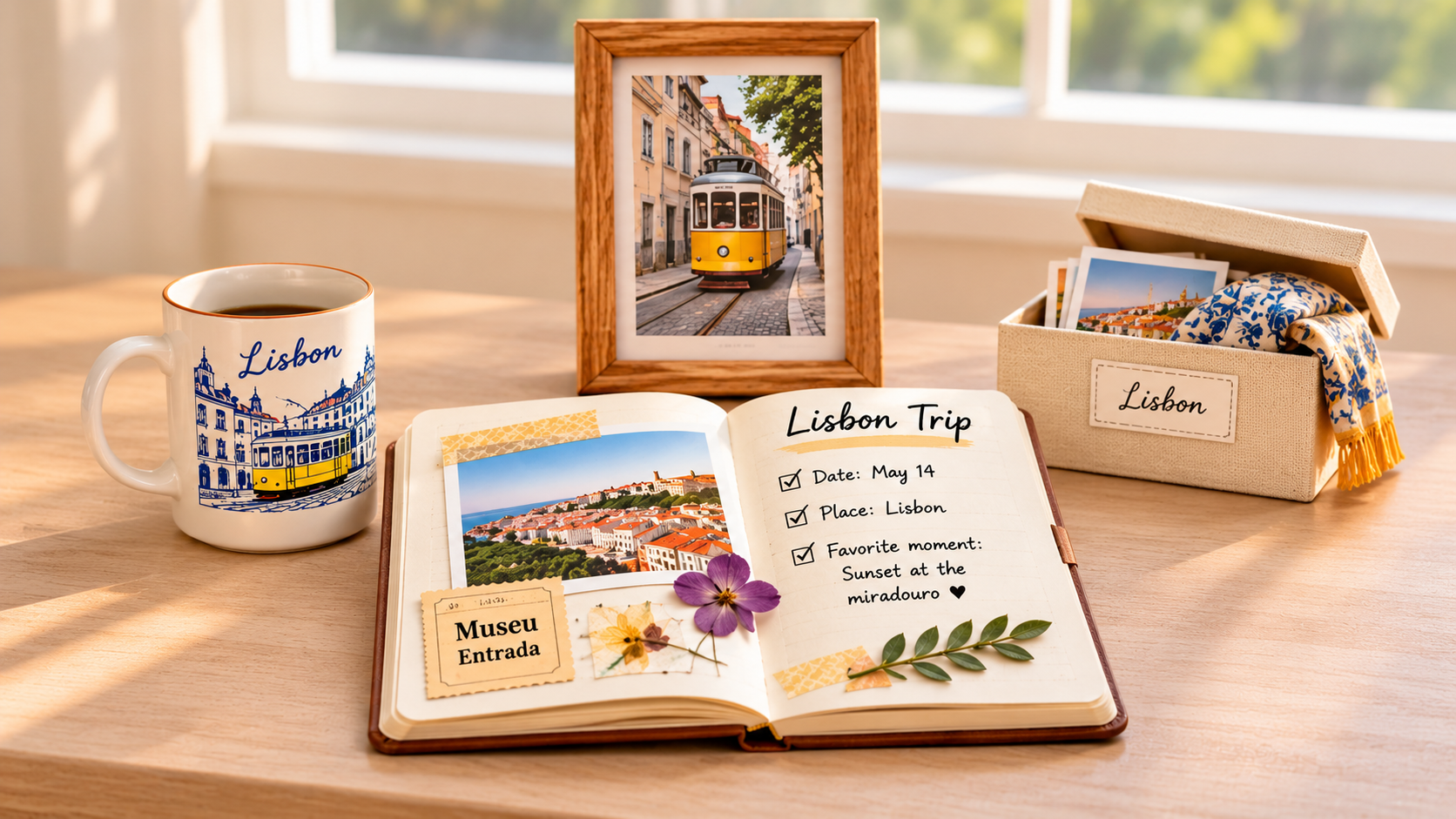
If you live in an apartment, travel often, or have exactly one spare shelf, you know the problem: every great trip seems to demand a physical trophy, and the pile of cute souvenirs multiplies faster than laundry. Travel memories matter, but so does being able to close a closet door without a wrestling match. Between fridge magnets, market trinkets, and impulse buys, it’s easy to lose the story while keeping the stuff. The goal is simple: more meaningful keepsakes and fewer souvenirs that turn into clutter.
Quick Takeaways for Clutter Free Keepsakes
Choose meaningful keepsakes over impulse buys by asking if you will love it at home.
Pick space-conscious mementos that capture the feeling without eating your storage.
Buy souvenirs intentionally by deciding your memory goal before you shop.
Organize travel memories simply so favorites stay visible instead of boxed away.
Focus on what makes sentimental value stick, not what looks cute in the moment.
Store meaningful pieces you don’t use every day, and rotate them in and out of display.
Shrink Your Photo Pile Into One Memory Clip
Photos are souvenirs too, and a camera roll can fill up faster than a suitcase. If you came home with 300 nearly identical shots, you don’t need to keep every one to keep the memory. Pick the single best photo from the trip, back up any originals you want to keep, and use an image-to-video tool to turn that favorite into a short moving clip you can rewatch or share with family and friends. One clip can stand in for a dozen near-duplicates, which makes it easier to delete the rest and keep your phone and cloud storage tidy. Just make sure the originals are safely backed up first.
What Makes a Souvenir Actually Meaningful?
A meaningful travel memento is something you chose on purpose because it points back to a specific moment, feeling, or story. An impulse tourist purchase is usually just a “cute” item that could have come from any rack, anywhere.
Intentionality makes the sentimental value last because the item becomes a memory trigger, not a dust collector. It also shifts you toward personalization over volume, a trend reflected in the continued growth of the personalized gifting market. Think of it like a fridge magnet versus a handwritten note you kept for years. One says “I traveled.” The other says “this is what that day meant to me.” With that filter in place, clutter-light keepsakes and a simple curation method get way easier.
Space-Saving Ways to Use Your Memories Every Day
Your memories don’t need their own shelf. My motto: If it doesn’t get used, it gets rehomed, because the most meaningful souvenirs are the ones that quietly show up in your real life.
- Pick “daily-driver” souvenirs on purpose: When you’re buying something, aim for functional travel souvenirs you’ll touch weekly, like a small travel pouch, luggage tag, or reusable tote. Items like travel pouches win because they slip into routines instead of demanding display space. Bonus points if you choose a color or pattern that instantly shouts “Lisbon!” every time you open it.
- Upgrade one boring household item (then stop): Choose one practical thing you already use, mug, tea towel, keychain, notebook, and make that your space-saving travel keepsake category. The “one category” rule keeps you from collecting five versions of the same thing while still giving your brain a consistent memory trigger. If you already own five mugs, your souvenir mug quota is officially full.
- Make a micro-gallery you can refresh in 60 seconds: Pick one frame (or one small ledge) and rotate a single postcard, museum ticket, map snippet, or photo every month. This scratches the “I want to see it” itch without adding clutter because you’re swapping, not stacking. Pro tip: write one sentence on the back, where you were + what you felt, so the story doesn’t evaporate.
- Do the 10-minute “flat souvenir” DIY: Save paper-thin items (receipts, transit cards, pressed leaves, matchbooks) in a zip envelope, then once you’re home, tape them into a travel journal spread. Add three labels: date, place, favorite moment. This is one of the easiest DIY travel memory projects because it turns would-be junk-drawer debris into a single, contained artifact.
- Turn photos into functional objects, not more files: Choose 10 photos per trip, no more, and print them as a tiny stack you can actually flip through, or make a single-page collage for your fridge. The point isn’t “perfect photography”; it’s giving the memory a job in your day. If you want to level up, pair each image with a one-line caption you’d text a friend.
- Give personalized travel gifts that don’t live at your house: If you had a great trip with someone, turn their favorite moment into a small gift, like a postcard with an inside joke, a photo print, or a recipe card from the trip. It’s meaningful, lightweight, and it spreads the memory instead of storing it. Custom touches feel personal, and yours just happens to be clutter-light.
- Use the “Earn Your Space” curation test before you buy: Ask three questions in the shop: Will I use it weekly? Does it tell a specific story? Where will it live at home? If you can’t answer the “where,” it’s a no, take a photo of it instead and move on smugly. For extra discipline, give yourself a tiny trip quota (like 1–3 items), so every choice stays intentional.
Give Meaningful Keepsakes a Home When You Don’t Use Them Every Day
Some keepsakes matter too much to donate but don’t earn everyday space: an inherited cabinet, a large painting from a trip, a set of handmade pieces, or souvenirs you like to rotate in and out of display. A few habits keep them safe without crowding your rooms:
- Display a few, rotate the rest: Keep out only what you’ll enjoy every day, and swap pieces seasonally or after each trip so every item gets its turn.
- Protect inherited and fragile items: Wrap textiles and paper in acid-free tissue, and avoid plastic directly against wood or fabric, which can trap moisture. Store large art upright, padded, and off the floor.
- Photograph and label what you store: A quick photo list on your phone means you’ll never forget what’s in a box.
- Choose a stable spot: Heat, cold, and dampness can warp wood and damage art, textiles, and paper. If there isn’t room at home, a small storage unit at Bargain Storage in Wylie can hold a rotating collection, so you can swap pieces in and out of display without crowding your living space.
Curate Travel Keepsakes That Keep Memories, Not Clutter
It’s easy to come home with a suitcase full of “maybe I’ll display this someday” and a home that quietly groans under the weight. The antidote is to be intentional and a little picky: keep the souvenirs that tell a real story, turn the rest into photos or short clips, and give the special pieces a proper home. When that mindset leads, clutter shrinks on its own, and your favorite keepsakes get seen, used, and loved instead of buried in a drawer. Bring home less, remember more, keep only what tells the story.
Storage Tips & Local News | Bargain Storage Blog